
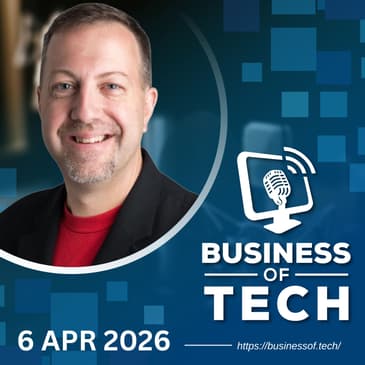
The episode exposes a structural shift in the MSP sector toward increased commoditization and infrastructure dependence, with an industry trend favoring outsourced, app-focused service delivery over internal technical depth. Protected Harbor, led by Richard Luna, is presented as a counterpoint—running its own infrastructure and software, and prioritizing ownership of the technical stack rather than relying extensively on third-party platforms. Luna argues this industry-wide movement has created a market where low entry barriers and rented, commoditized solutions undermine differentiation and inflate operational risk.
Central to the discussion is the declining emphasis on technical generalists within MSP organizations, replaced by hyper-specialization and a proliferation of app resale as a service model. Luna attributes industry-wide declines in service quality and net promoter scores (typically ranging from 30–38 for MSPs) to these trends, suggesting the loss of generalist skills erodes problem-solving capacity and increases reliance on external vendors for core functions. He states that running owned infrastructure and open-source tools allows for tighter cost controls, standardization, and faster response to operational events—a contrast to MSP models that outsource most functions.
Supporting developments include a detailed critique of the risk dynamics associated with using hyperscale vendors for client-facing services. Luna distinguishes between utility-grade services like power, which can be outsourced without significantly affecting the customer relationship, and services closer to the client experience (e.g., remote access, help desk, data workflows) that, if outsourced, reduce both control and differentiation. Additional risk surfaces are highlighted with the integration of AI and automation, especially when MSPs use large public models that may ingest sensitive client data and create potential information leakage or competitive exposure.
The operational implications for MSPs and IT leaders include heightened vendor dependency, expanding contract risk, and declining service quality when organizations prioritize app resale and specialization over in-house competency and direct infrastructure management. To mitigate these risks, the episode suggests MSPs should reassess which functions to control internally versus outsource, invest in developing technical generalists, and scrutinize the downstream effects of workflow automation and AI adoption—especially regarding client data privacy, model training, and real-time operational accountability.
💼 All Our Sponsors
MSP Radio is supported by our partners:
ABC Solutions · CometBackup · Firetail · Guardz · HaloPSA · LogMeIn · Mailprotector · OpenText · Pax8 · Proofpoint · Rythmz · ScalePad · TimeZest · Transit AI · USecure
Supporting the IT services community through insights, analysis, and transparency.
🚀 Join Business of Tech Plus
Get exclusive access to investigative reports, vendor analysis, leadership briefings, and more.
👉 https://businessof.tech/plus
🎧 Subscribe to the Business of Tech
Want the show on your favorite podcast app or prefer the written versions of each story?
📲 https://www.businessof.tech/subscribe
📰 Story Links & Sources
Looking for the links from today’s stories?
Every episode script — with full source links — is posted at:
🎙 Want to Be a Guest?
Pitch your story or appear on Business of Tech: Daily 10-Minute IT Services Insights:
💬 https://www.podmatch.com/hostdetailpreview/businessoftech
🔗 Follow Business of Tech
LinkedIn: https://www.linkedin.com/company/28908079
YouTube: https://youtube.com/mspradio
Bluesky: https://bsky.app/profile/businessof.tech
Instagram: https://www.instagram.com/mspradio
TikTok: https://www.tiktok.com/@businessoftech
Facebook: https://www.facebook.com/mspradionews
Hosted by Simplecast, an AdsWizz company. See pcm.adswizz.com for information about our collection and use of personal data for advertising.